

The biology that comes before the symptoms
iPremom builds prenatal diagnostics on early molecular changes linked to pregnancy complications: endometrial and placental biology, transcriptomics, liquid biopsy and AI predictive models.
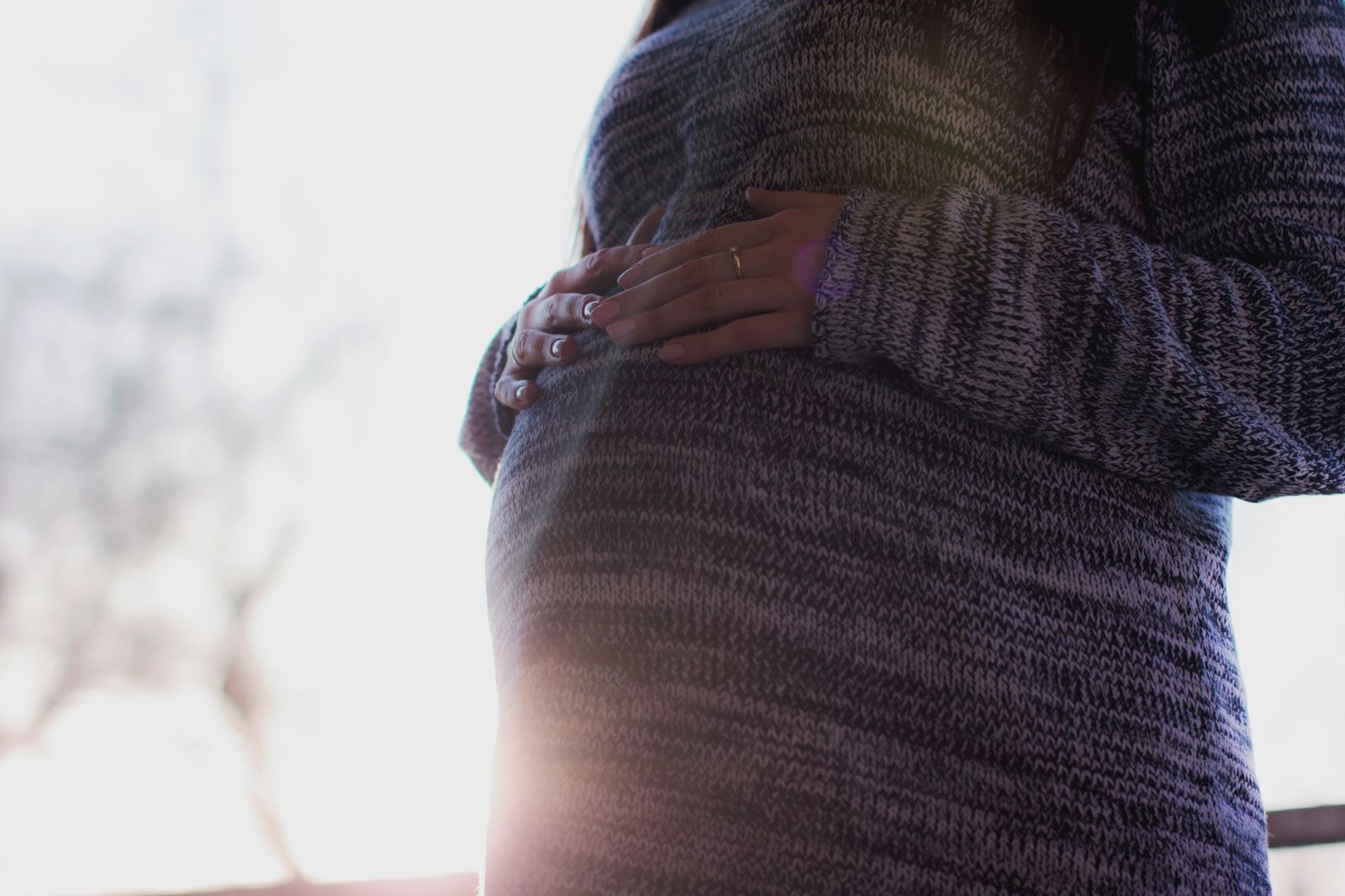
A uterus-centred view of preeclampsia
Our research links severe preeclampsia to a maternal origin: endometrial resistance to decidualization, long before clinical signs.
Decidualization
Prepares the uterus for embryo invasion and placental development. We have shown the maternal contribution to severe preeclampsia through defective decidualization.
Placentation
The placenta carries nutrients and oxygen to the embryo. Defective decidualization disturbs maternal-fetal communication while it forms.
Molecular signal
Cell-free RNA reflects the changing biology of pregnancy. MaiRa detects these signals in maternal blood and predicts complications before symptoms.
What the MaiRa signature reads
MaiRa combines these molecular signals to estimate the risk of early-onset preeclampsia. The altered transcriptomic profiles they produce are detectable in maternal blood through cfRNA.
- Decidualization and placental function endometrium, placenta
- Progesterone resistance hormonal response
- Abnormal immune activation maternal immune system
- Premature senescence of stromal cells endometrial stroma
The PREMOM clinical study
A prospective multicentre study that demonstrated the sensitivity and specificity of cell-free RNA in early preeclampsia screening. ClinicalTrials.gov NCT04990141, completed.
Blood sample processing
Plasma separated, cfRNA extracted.
NGS sequencing
Massive parallel sequencing of the RNA.
Transcriptomic profile
Patented cfRNA molecular signature.
First-trimester risk
Proprietary, validated AI predictive model.
cfRNA as a predictor of preeclampsia
Results published in Nature Communications (2025). The first blood test for early prediction of preeclampsia risk came out of this work.