
MaiRa
Preeclampsia risk read from one blood draw in the first trimester, while there is still time to act
From one tube of blood to a risk you can act on
- Sample, wk 9 to 14
- cfRNA signature
- AI risk estimate
- Act before wk 16
Illustrative example, not patient data. Scroll to follow one sample.
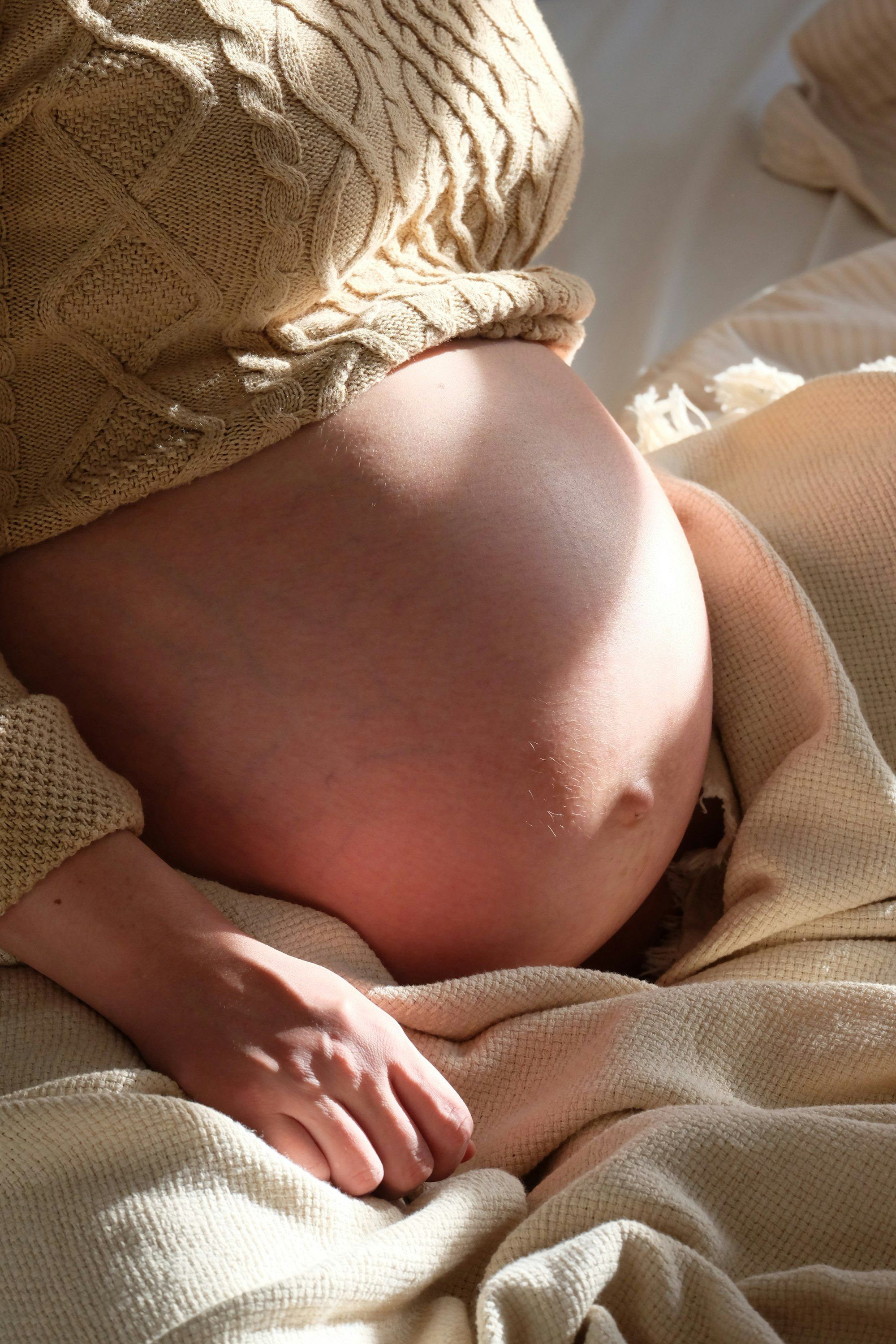
About one in four pregnancies meets a complication. Preeclampsia is among the most serious, and today it is mostly recognised once blood pressure has already risen and organs are under strain.
MaiRa looks earlier. It reads molecular signals that maternal blood carries months before symptoms, so obstetric teams can stratify risk at the first-trimester visit instead of waiting for the third.
Prenatal care that anticipates instead of reacting, with MaiRa


Protecting the health of mother and baby by anticipating risk before symptoms appear
Why preeclampsia matters
- 1 in 20 pregnancies
- around 76,000 maternal deaths a year
- around 500,000 fetal deaths a year
- long-term effects for mother and child
- detected, too often, too late
The hardest part of preeclampsia is not treatment. It is spotting it in the preclinical phase, when prevention can still change its course.
How clinicians order MaiRa
A simple clinical flow with no extra complex tests. The same blood draw used for NIPT can serve both.
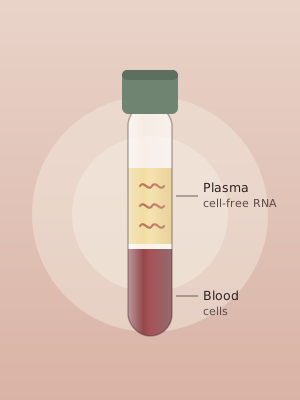
Maternal blood sample
Drawn at the routine first-trimester visit, compatible with NIPT.
Molecular analysis
Cell-free RNA is extracted from plasma and read with next-generation sequencing.
Individual risk estimate
A predictive AI model turns the signature into a personal risk result for the obstetric team.
What an early result makes possible
- Risk stratification
- Identify high-risk patients and optimise obstetric follow-up from the first trimester.
- Preventive intervention
- Start low-dose aspirin before week 16 and adjust clinical management while it can still help.
- Personalised monitoring
- Blood pressure, organ function, fetal growth and placental function, watched where it matters most.
- Expected impact
- Fewer early-onset preeclampsia cases, less prematurity and fewer neonatal ICU admissions.

Built on 9,600 pregnancies
MaiRa comes out of PREMOM, a prospective multicentre study that followed women through every trimester and showed what cell-free RNA can do in early preeclampsia screening.
| 14 | participating hospitals |
| ~9,600 | pregnant women enrolled |
| 26,000 | samples collected |
| 2025 | results published in Nature Communications |
Bring first-trimester prediction to your patients
For hospitals, fertility and prenatal clinics and laboratories. Tell us about your practice and we will share how MaiRa fits your workflow.
Request information